
antique mirror sheets for sale
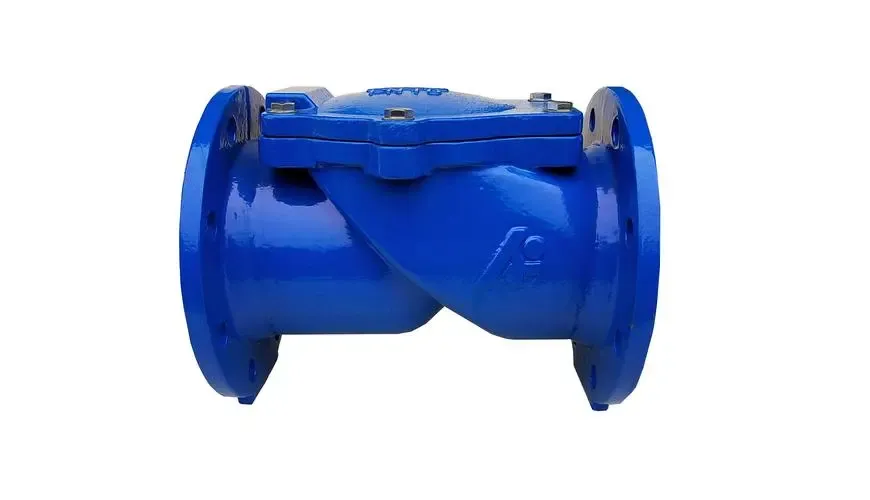
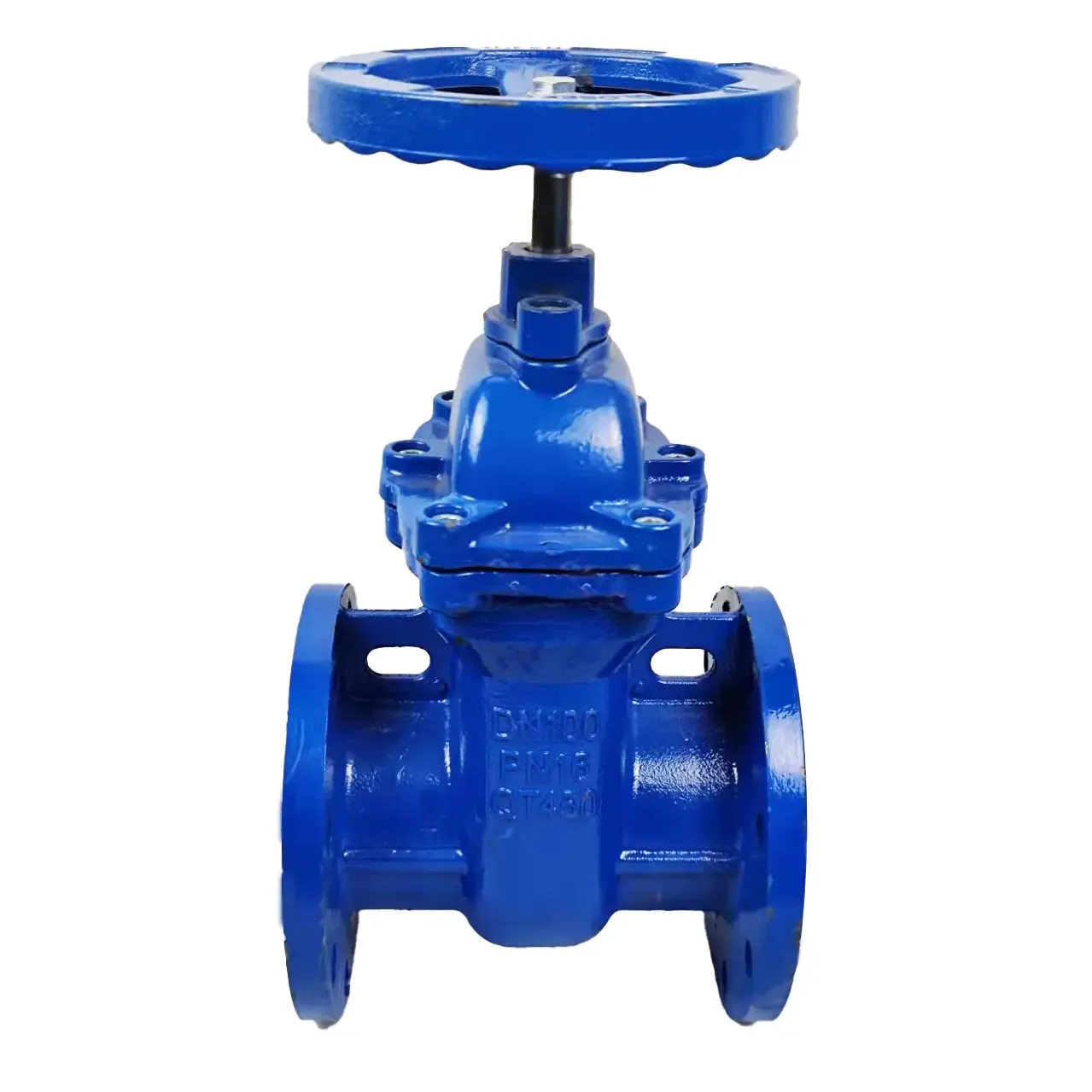
The integration of smart monitoring systems with industrial equipment has revolutionized operational efficiency, safety, and maintenance practices. Among the critical components benefiting from this technological advancement are gate valves, which play a pivotal role in controlling fluid flow across pipelines. Modern gate valve types , including the 3 gate valve , 30 gate valve , and 4 gate valve , are now being designed with embedded sensors and connectivity features to enable real-time data collection and analysis. This article explores how smart monitoring enhances the performance of these valves, their applications, and the unique advantages they offer in industrial settings. 3 Gate Valve: Compact Solutions for Residential and Light Industrial Use The 3 gate valve is a compact, lightweight valve designed for systems requiring precise flow control in confined spaces. Its 3-inch diameter makes it ideal for residential plumbing, small-scale water treatment plants, and light industrial applications. When integrated with smart monitoring, this valve gains capabilities such as leak detection, pressure tracking, and remote operation. For example, in residential complexes, a 3 gate valve equipped with IoT sensors can alert homeowners to potential leaks before they escalate. In light industrial settings, operators can monitor valve status via centralized dashboards, reducing manual inspections. The integration also supports predictive maintenance, where algorithms analyze historical data to forecast component wear, ensuring timely replacements. Manufacturers prioritize durability in 3 gate valve designs, using materials like stainless steel or brass to withstand corrosion. With smart features, these valves not only improve safety but also extend service life, making them a cost-effective choice for low-to-medium pressure systems. 30 Gate Valve: Heavy-Duty Performance for Large-Scale Systems The 30 gate valve is engineered for heavy-duty applications, such as oil refineries, power plants, and municipal water distribution networks. Its 30-inch diameter allows it to manage high-volume fluid flow, while robust construction ensures reliability under extreme pressures and temperatures. Integrating smart monitoring into a 30 gate valve transforms it into a data-driven asset. Sensors embedded in the valve body track parameters like flow rate, temperature, and valve position. This data is transmitted to control rooms, enabling operators to optimize system performance and respond instantly to anomalies. For instance, sudden pressure drops could indicate pipeline breaches, triggering automatic shutdowns to prevent spills. In the energy sector, 30 gate valves with smart systems reduce downtime by providing real-time diagnostics. Maintenance teams receive alerts about seal degradation or actuator malfunctions, allowing repairs before failures occur. This proactive approach is critical in industries where unplanned outages result in significant financial losses. 4 Gate Valve: Versatility in Medium-Scale Applications The 4 gate valve strikes a balance between compactness and capacity, making it suitable for medium-scale industrial and commercial systems. Its 4-inch diameter is commonly used in HVAC systems, chemical processing plants, and irrigation networks. Smart monitoring integration elevates the functionality of a 4 gate valve by enabling precise control over fluid dynamics. For example, in HVAC systems, these valves adjust coolant flow based on real-time temperature data, enhancing energy efficiency. In agriculture, farmers use smart 4 gate valves to automate irrigation schedules, reducing water waste. The valve’s design often includes a rising stem mechanism for visual position confirmation, complemented by digital sensors that provide granular data. This dual verification system ensures accuracy in both manual and automated environments. Additionally, cloud-based analytics platforms can aggregate data from multiple 4 gate valves , offering insights into system-wide performance trends. Gate Valve Types: Tailoring Smart Solutions to Specific Needs Understanding gate valve types is essential for selecting the right product for a given application. The 3 gate valve , 30 gate valve , and 4 gate valve represent distinct categories optimized for different pressures, flow rates, and environments. Wedge Gate Valves: Common in high-pressure systems, these use a wedge-shaped disc to create a tight seal. Ideal for 30 gate valve applications in oil and gas. Knife Gate Valves: Designed for slurries and viscous fluids, often integrated into 4 gate valve systems in wastewater treatment. Parallel Slide Gate Valves: Feature two parallel discs, suitable for 3 gate valve setups where thermal expansion is a concern. Smart monitoring adapts to these gate valve types by customizing data parameters. For instance, a 30 gate valve in a refinery might prioritize pressure and temperature metrics, while a 4 gate valve in a chemical plant focuses on corrosion tracking. This flexibility ensures that each valve type delivers maximum value in its operational context. FAQs About Smart Gate Valve types How does smart monitoring enhance the performance of a 3 gate valve? Smart monitoring adds capabilities like leak detection, remote control, and predictive maintenance to a 3 gate valve . Sensors track pressure and flow data, enabling early issue identification and reducing manual intervention. Can a 30 gate valve withstand harsh industrial environments? Yes, the 30 gate valve is built with materials like carbon steel and corrosion-resistant coatings, ensuring durability in extreme conditions. Smart sensors further enhance reliability by providing real-time health updates. What industries benefit most from a 4 gate valve with smart features? HVAC, agriculture, and chemical processing industries benefit from the 4 gate valve ’s balance of size and capacity. Smart integration optimizes energy use and automates flow adjustments. Are there compatibility issues when retrofitting older gate valve types with smart systems? Retrofitting is possible but depends on valve design. Manufacturers offer modular sensor kits compatible with most gate valve types , including 3 gate valve , 30 gate valve , and 4 gate valve models. How do smart gate valve types improve maintenance efficiency? Smart systems analyze operational data to predict maintenance needs, reducing unplanned downtime. For example, a 30 gate valve might alert users to seal wear before a failure occurs. The fusion of smart monitoring with modern gate valve types represents a leap forward in industrial automation. Whether it’s the compact 3 gate valve , the heavy-duty 30 gate valve , or the versatile 4 gate valve , each variant gains enhanced functionality through real-time data and connectivity. By adopting these innovations, industries can achieve greater efficiency, safety, and cost savings, solidifying gate valves as indispensable components in fluid control systems. Manufacturers continue to refine these technologies, ensuring that gate valve types remain at the forefront of industrial progress.
about
antique mirror sheets for sale
Understanding How to Read a Dial Bore Gauge Dial bore gauges are precision measuring tools commonly used in various industries, particularly in manufacturing and automotive engineering. These gauges are specifically designed to measure the internal diameter of a bore, such as engine cylinders or other cylindrical parts. In this article, we will break down the components of a dial bore gauge, how to use it correctly, and how to read its measurements accurately. Components of a Dial Bore Gauge A typical dial bore gauge consists of several key components 1. Dial Indicator The most recognizable part of the bore gauge, the dial indicator shows the measurement reading. It is calibrated to provide precise measurements, often in millimeters or inches. 2. Measuring Arms The gauge features two measuring arms that expand outward to contact the inner walls of the bore. These arms are adjustable and can easily accommodate different bore sizes. 3. Probe At the end of the measuring arms, the probe is the part that touches the inner surface of the bore. It is usually made of a durable, non-marring material to ensure it does not damage the workpiece. 4. Adjustment Knob This allows the user to set the initial position of the gauge, ensuring accurate measurements when the probe is placed inside the bore. 5. Base The base of the gauge stabilizes the tool during measurement, ensuring that no vibrations affect the reading. How to Use a Dial Bore Gauge Using a dial bore gauge properly requires following a few steps 1. Preparation First, ensure that both the gauge and the workpiece are clean. Any debris can lead to inaccurate readings. reading a dial bore gauge 2. Adjustment Before inserting the gauge, use the adjustment knob to set the gauge to the approximate diameter of the bore. This setting will provide a baseline for your measurements. 3. Inserting the Gauge Carefully insert the probe end of the gauge into the bore. Ensure the measuring arms expand gently against the inner wall, creating contact without excessive force. 4. Centering the Probe For a precise measurement, it is crucial to center the probe within the bore. You can rotate the gauge slightly to ensure it is perpendicular to the bore's surface. 5. Taking the Measurement Read the dial indicator once the probe is securely in place. Pay attention to the needle position and note the measurement. For more accuracy, take multiple readings at different heights of the bore, as irregularities can occur along its length. Reading the Dial Reading a dial bore gauge effectively requires some familiarity with the dial indicator. Here’s how to interpret the readings 1. Reference Scaling Most dial indicators have two scales a primary scale and a secondary scale (or a fractional scale). The primary scale is typically marked in larger increments, while the secondary scale provides more precise measurements. 2. Determining the Measurement When reading the dial, observe where the needle points. Combine the reading from the larger scale with any additional fraction indicated on the smaller scale. For example, if the needle points to 2.0 on the large scale and 0.5 on the small scale, the measurement would represent 2.5 mm or inches, depending on the unit of the gauge. 3. Zeroing the Gauge If the gauge has an adjustable zero, make sure it is set correctly before taking any measurements. This ensures that your readings reflect the true dimensions of the bore. Conclusion Reading a dial bore gauge is a fundamental skill for anyone involved in precise engineering work where internal diameters need to be measured accurately. By understanding the components and method of using the gauge correctly, operators can ensure high standards of manufacturing and maintenance quality. Regular practice and familiarity with the tool will improve the precision and efficiency of measurements over time. As with any measurement process, the accuracy of the results directly hinges on the operator's diligence in following proper procedures. With this knowledge, you can confidently tackle measurements using a dial bore gauge in your projects.
-

High quality industrial productsagement

High quality industrial products
View Details -

Meet the diverse needs of customers

Meet the diverse needs of customers
View Details -

Strict quality control

Strict quality control
View Details -

Top raw materials

Top raw materials
View Details -

Trusted supplier

Trusted supplier
View Details
Our application

news and information
water valve 1 2
Understanding Water Valve 1-2 Functionality and Applications Water valves are essential components i
Welding Workbench vs. Standard Workbench_ Key Differences
When it comes to workshop equipment, the choice between a welding workbench and a standard workbench
water check valve
Understanding Water Check Valves Function, Types, and Importance Water check valves play a crucial r
 English